
Dog TPLO Surgery in Schertz, TX
A limp can change your dog’s whole day. Walks become shorter, getting up takes more effort, and the games they once loved may no longer feel comfortable. When a torn knee ligament causes these changes, treatment starts with restoring stability.
Schertz Animal Hospital offers dog TPLO surgery for pets in Schertz, TX, partnering with a board-certified orthopedic surgeon to treat cranial cruciate ligament (CCL) injuries. This procedure helps stabilize the knee, reduce discomfort associated with instability, and support a return to more comfortable movement. We guide you through the evaluation, surgical recommendations, and recovery plan.
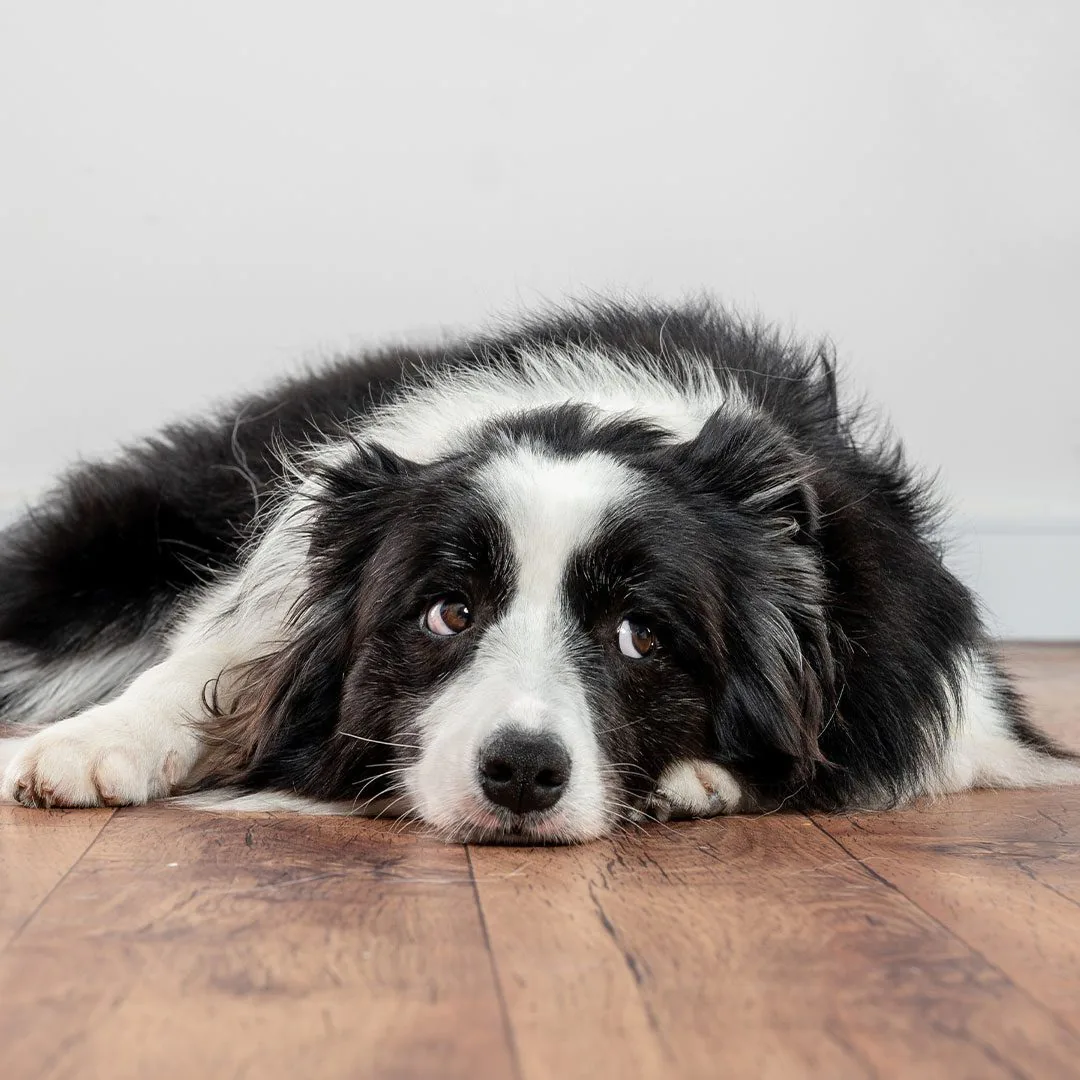
Is your dog limping or struggling to use a back leg?
or call us today at (210) 659-0345!
What Is Dog TPLO Surgery?
TPLO stands for tibial plateau leveling osteotomy. It is a surgical procedure that changes the angle at the top of a dog’s shinbone, or tibia, to stabilize a knee affected by a torn cranial cruciate ligament.
Rather than replacing the damaged ligament, TPLO changes how forces act on the knee during weight-bearing. This helps the dog use the affected leg more comfortably as recovery progresses.
What Are the Signs of a CCL Injury in Dogs?
When the CCL partially or completely tears, the knee becomes unstable and painful. The injury can also damage the meniscus, a structure that cushions the joint. Many canine CCL tears develop through gradual ligament degeneration, even when the limp appears suddenly.
Dogs with a CCL injury may show:
- Limping on a back leg
- Difficulty sitting or getting up
- Reluctance to jump or play
- Stiffness after resting
- Reduced use of the affected leg
These signs can also occur with other orthopedic problems. An examination helps determine the cause before we recommend treatment.
How Does TPLO Surgery Stabilize the Knee?
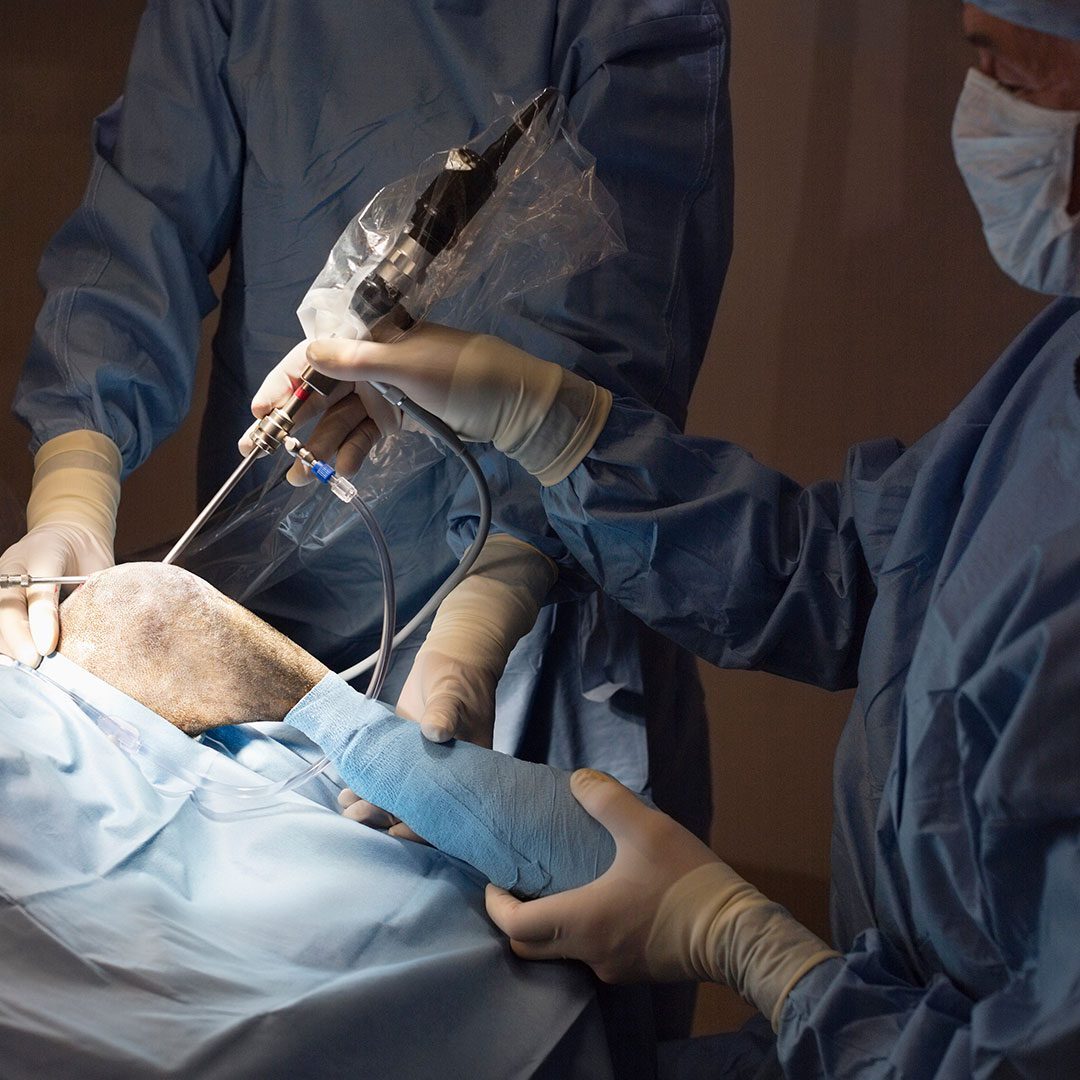
During TPLO surgery, the surgeon makes a curved cut near the top of the tibia, rotates the upper section to a planned angle, and secures it with a plate and screws.
The new angle reduces the sliding force that makes a CCL-deficient knee unstable during weight-bearing. The implants hold the repositioned bone while it heals. TPLO improves knee mechanics; it does not repair the torn ligament or reverse existing arthritis.
Is My Dog a Candidate for TPLO Surgery?
TPLO may be appropriate for dogs with a partial or complete CCL tear that causes knee instability and persistent lameness. Dogs of different sizes may benefit, including large or active dogs.
The recommendation depends on your dog’s:
- Degree of knee instability
- Size, activity level, and anatomy
- Overall health and medical history
- Ability to follow a restricted recovery plan
What Is Recovery Like After TPLO Surgery?
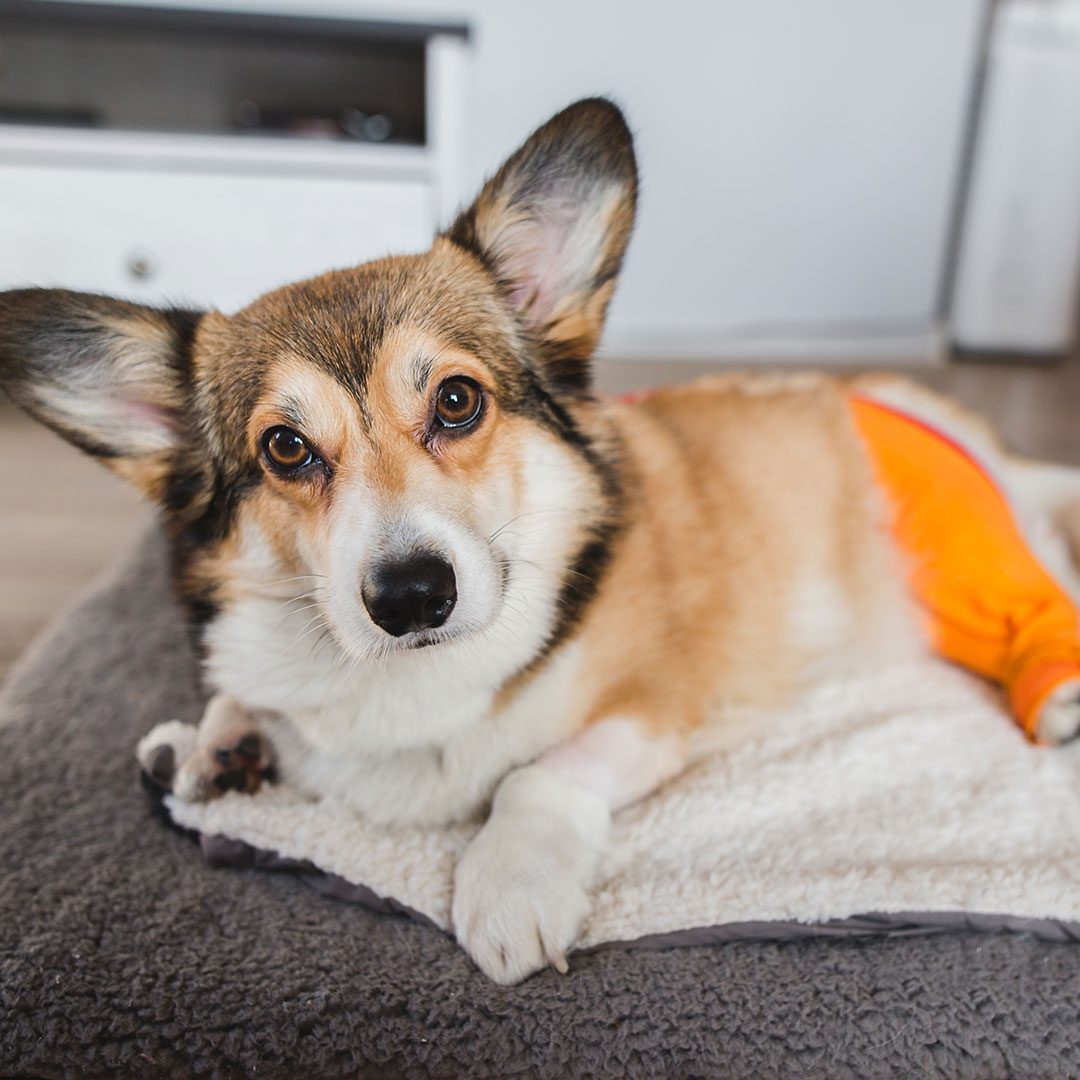
TPLO recovery requires restricted activity while the bone heals, followed by a gradual return to exercise under veterinary guidance. Feeling better does not mean the bone is ready for normal activity.
Rest and
Controlled Movement
During early recovery, your dog needs a secure resting area and carefully controlled activity. Running, jumping, rough play, and unrestricted access to furniture can place stress on the healing bone and implants. Follow your dog’s individual discharge instructions for confinement, leash outings, and activity progression.
Follow-Up Exams
and X-Rays
Follow-up care allows us to evaluate the incision, comfort, and healing. An incision check often occurs around two weeks after surgery, with follow-up X-rays commonly taken around eight weeks. These are general milestones. Your surgeon determines the schedule and when your dog can safely increase activity.
Pain Relief
During Recovery
We provide instructions for prescribed pain medication and signs that warrant a call. Our surgical care includes pain control before, during, and after procedures. Depending on your dog’s needs, we can also discuss whether laser therapy fits their care plan.
Help Your Dog Take the Next Step
When knee pain interrupts your dog’s routine, knowing the cause can make the next decision clearer. Our team will evaluate their mobility, explain the options, and help you prepare for treatment and recovery.
Call Schertz Animal Hospital at (210) 659-0345 to schedule an orthopedic evaluation.