

More Comfort in Every Step: Cat and Dog Pain Management in Schertz, TX
The walk gets shorter. The jump onto the couch becomes a pause beside it. Your pet may still greet you with the same enthusiasm, but small changes in their routine can signal that something hurts.
Schertz Animal Hospital provides cat and dog pain management for pets with arthritis, injuries, surgical discomfort, and other painful conditions. Our Schertz, TX veterinarians identify the source of pain and recommend treatment based on your pet’s diagnosis, medical history, and everyday needs.
Has your pet started moving or behaving differently?
or call us today at (210) 659-0345!
What Are the Signs of Pain in Dogs and Cats?
Pain does not always cause crying or an obvious limp. Changes in movement, behavior, or familiar routines may be the first signs you notice.
Dogs may show pain through:
- Stiffness or difficulty rising after rest
- Limping or favoring a leg
- Reluctance to climb stairs, jump, or continue walks
- Reduced interest in play
- Restlessness or difficulty getting comfortable
- Sensitivity when touched or handled
Cats may show pain through:
- Hesitating before jumping or choosing lower resting places
- Grooming less or developing an unkempt coat
- Becoming quieter, withdrawn, or less tolerant of touch
- Difficulty entering or using the litter box
- Reduced activity or appetite
What Conditions Can Cause Pain in Pets?
Pain can develop in the joints, muscles, mouth, or other areas of the body. Finding its source helps us choose treatment that addresses your pet’s needs.
Common reasons for a pain evaluation include:
- Osteoarthritis: Chronic joint changes that can cause stiffness and painful movement.
- Orthopedic injuries: Bone, ligament, or tendon problems that affect mobility.
- Surgical recovery: Discomfort following soft tissue, orthopedic, or dental procedures.
- Dental disease: Painful teeth or oral conditions that may affect eating and behavior.
- Other injuries or illnesses: Problems that require an examination to determine the cause.

How Do Veterinarians Evaluate Pain?
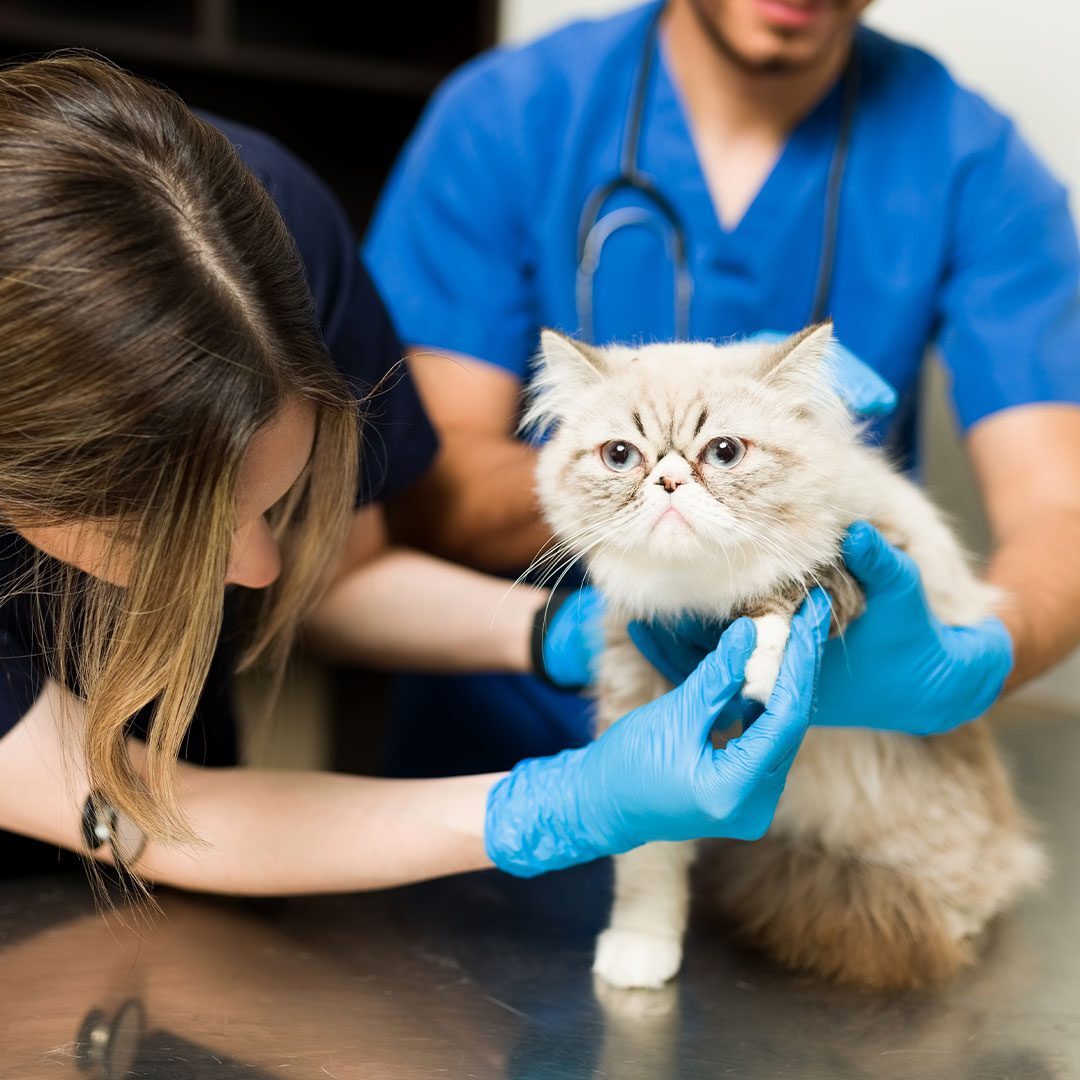
A pain evaluation includes a physical examination, a review of your pet’s history, and a discussion of changes you see at home. We assess how your pet moves and look for areas of discomfort.
Depending on the findings, we may recommend diagnostic testing, including X-rays or laboratory testing. X-rays can help evaluate bones and joints, while bloodwork may help guide treatment choices based on your pet’s health.
Bring a list of your pet’s medications and supplements. Videos of your pet walking, getting up, or attempting a familiar activity can also help us evaluate changes that may be less apparent during the appointment.
What Cat and Dog Pain Management Options Do We Offer?
Your pet’s treatment depends on what is causing the pain, how long it has been present, and their overall health. We explain the purpose of each recommendation and how we will monitor progress.

How Do We Monitor Long-Term Pain Relief?
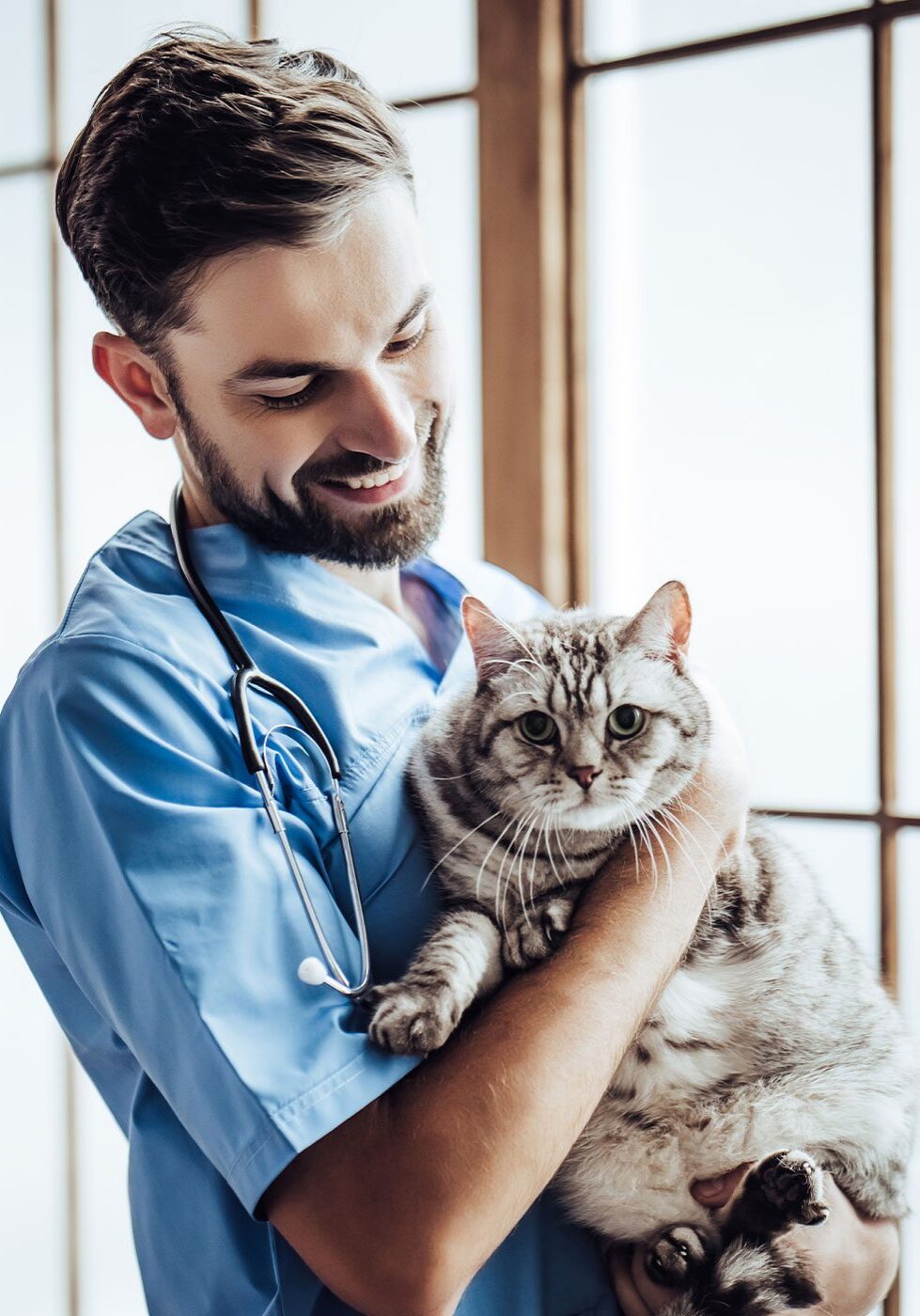
Long-term pain management requires regular reassessment. We look for improvement in the activities that matter to your pet, rather than relying only on how they behave in the exam room.
Useful changes to track include:
- How easily your pet gets up after resting
- Their comfort during walks or everyday movement
- Their willingness to play or interact
- Whether your cat resumes grooming or using favorite resting places
- Changes in appetite, behavior, or bathroom habits
Share improvements, persistent difficulties, and any new symptoms with us. We may adjust treatment as your pet’s condition or health changes.
Call Schertz Animal Hospital at (210) 659-0345 to schedule a pain management evaluation.