
What To Do When Your Dog Is Sprayed By a Skunk
When your dog is sprayed by a skunk, act quickly to limit odor absorption and irritation. Keep your dog outside, avoid touching their face and eyes, and contact your veterinarian for guidance on safely removing skunk spray and protecting your dog’s health. Acting fast helps reduce how deeply the odor sets into the coat and lowers the risk of irritation. Many pet owners search for how to get skunk smell off dog right away, but the first priority should always be your dog’s comfort and safety. From there, your veterinary team can help guide the next steps to manage both the odor and any potential health concerns.
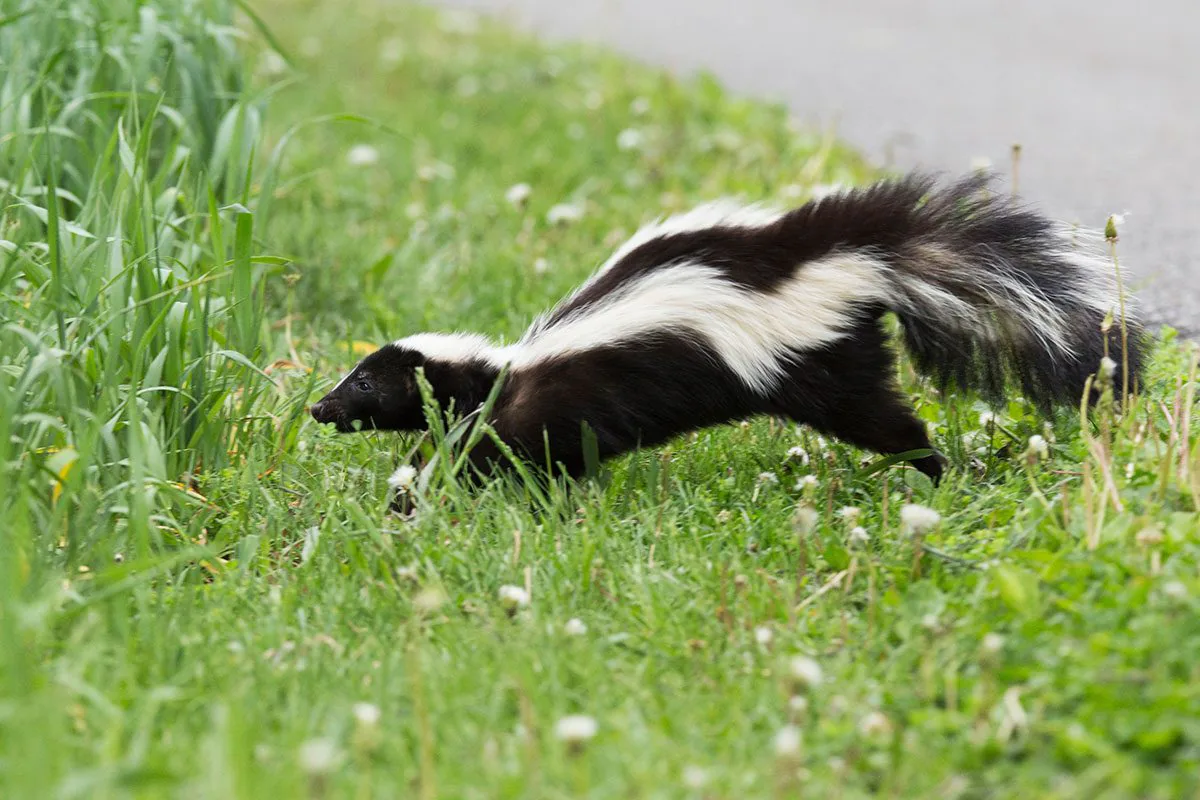
Why Skunk Spray Is More Than Just a Smell
A dog sprayed by a skunk is dealing with more than an unpleasant odor. Skunk spray contains sulfur-based compounds called thiols, which create the strong, lingering scent that can cling to your dog’s coat and skin. These compounds bind tightly to oils, which makes the smell difficult to remove with standard bathing. Skunk spray can also irritate your dog’s eyes, nose, and mouth, especially if the spray lands directly on the face. Some dogs experience temporary discomfort, including squinting, drooling, or pawing at their face. The longer the spray remains on your dog, the deeper it can absorb, making removal more challenging.
Immediate Steps After Your Dog Is Sprayed
When you realize your dog has encountered a skunk, your first actions can make a significant difference in how easily you can manage the situation. Acting quickly helps reduce how much skunk spray penetrates your dog’s fur and skin. It also helps prevent the odor from spreading to your home, furniture, and other pets. Staying calm and taking a structured approach can make the process more manageable.
- Keep your dog outdoors to prevent spreading the odor inside your home
- Avoid letting your dog rub their face or body on surfaces
- Check for signs of irritation, especially around the eyes and mouth
- Limit contact with the affected areas to prevent spreading the spray further
- Use gloves or protective layers if you need to handle your dog closely
If your dog shows signs of distress, such as excessive drooling or eye irritation, reach out to your veterinary team right away for next steps. Prompt communication helps ensure your dog receives appropriate care if needed.
How to Get Skunk Smell Off a Dog
Removing skunk smell off a dog requires a careful and informed approach. Skunk spray binds to oils in your dog’s coat, which makes it resistant to simple rinsing. Water alone can actually spread the odor instead of removing it, which is why many pet owners feel frustrated when the smell lingers. A targeted cleaning process, guided by your veterinary team, offers the best results.
What Makes Skunk Odor So Persistent?
The chemical makeup of skunk spray allows it to cling tightly to fur and skin. Thiols are oily compounds that penetrate deeply into the coat, especially in dogs with thick, dense, or double coats. Once absorbed, the odor can remain trapped beneath the surface layers of fur. Moisture, humidity, or even your dog getting wet days later can reactivate the smell. This is why some dogs continue to smell long after the initial encounter. Understanding this helps explain why removing skunk smell off dog often takes time and patience.
Why Professional Guidance Matters
Many online searches for “dog sprayed by skunk” lead to a variety of home solutions, but not all are safe or effective. Some products can irritate your dog’s skin or damage the coat, especially if used incorrectly. Others may mask the smell temporarily without addressing the underlying compounds. Your veterinary team can recommend safe, proven approaches tailored to your dog’s coat type and level of exposure. In some cases, professional grooming or veterinary care may be the most effective way to fully remove skunk smell off dog and restore comfort.
Signs Your Dog Needs Veterinary Attention
Not every dog sprayed by a skunk requires urgent care, but certain symptoms should prompt a call to your veterinarian. Skunk spray can affect sensitive areas and lead to complications if not addressed promptly. Monitoring your dog closely in the hours following exposure helps you catch any concerning changes early.
- Red, squinting, or watery eyes
- Excessive drooling or pawing at the mouth
- Sneezing or nasal irritation
- Lethargy or unusual behavior
- Persistent odor despite cleaning attempts
- Reduced appetite or signs of nausea
These signs may indicate irritation or a reaction that needs professional evaluation. Your veterinarian can assess your dog and recommend appropriate care to support recovery.
Can Skunk Spray Harm Your Dog?
Most cases of skunk spray exposure result in temporary discomfort and a strong odor. However, complications can occur, particularly if the spray makes contact with your dog’s eyes or is ingested. Eye exposure may cause redness, inflammation, and sensitivity to light. Ingestion can lead to drooling, nausea, or vomiting as your dog reacts to the unpleasant taste and irritation. In rare cases, dogs may develop more serious reactions that require veterinary care.
Your veterinary team will evaluate your dog’s symptoms and determine whether additional support is needed. Early communication helps prevent minor issues from escalating and gives you peace of mind as your dog recovers.
Preventing Future Skunk Encounters
Once you’ve managed the immediate situation, it helps to think about how to reduce the risk of another encounter. Skunks are most active at dawn and dusk, and they are often attracted to easily accessible food sources. Taking a few proactive steps can make your yard and routine less appealing to wildlife.
- Keep your dog on a leash during early morning and evening walks
- Secure trash cans and remove outdoor food sources
- Avoid leaving pet food outside overnight
- Check your yard for areas where skunks may shelter
- Install motion-activated lights to deter nighttime activity
When to Call Schertz Animal Hospital
If your dog has been sprayed by a skunk and you are unsure what to do next, our team at Schertz Animal Hospital in Schertz, TX, is here to help. We can guide you through safe next steps, evaluate any symptoms, and support your dog’s recovery. Call (210) 659-0345 or request an appointment online to speak with our team today. Prompt care and guidance can make a stressful situation much easier to manage and help your dog feel more comfortable sooner.
Recent Posts
About Us
We know that choosing the right veterinarian for your pet (and you) can be a challenge. Yet, with our stress-free handling, our long-term, experienced staff, and a state-of-the-art facility, we make the decision an easy one!