
Why Does My Dog Lick His Paws?
If you’ve caught your dog licking his paws more than usual, you’re probably wondering whether it’s a harmless habit or a sign that something’s wrong. Most of the time, dogs lick their paws because of allergies, dry or irritated skin, a minor injury, boredom, or anxiety, but when the licking becomes constant or intense, it’s worth a closer look. At Schertz Animal Hospital, this is one of the most common concerns pet owners bring up, and the right answer usually depends on patterns: when the licking happens, how often, and what other symptoms come along with it.
Below, we’ll walk through the most common reasons dogs lick their paws, how to tell the difference between normal grooming and a problem behavior, and when it’s time to schedule a visit with our veterinary team.
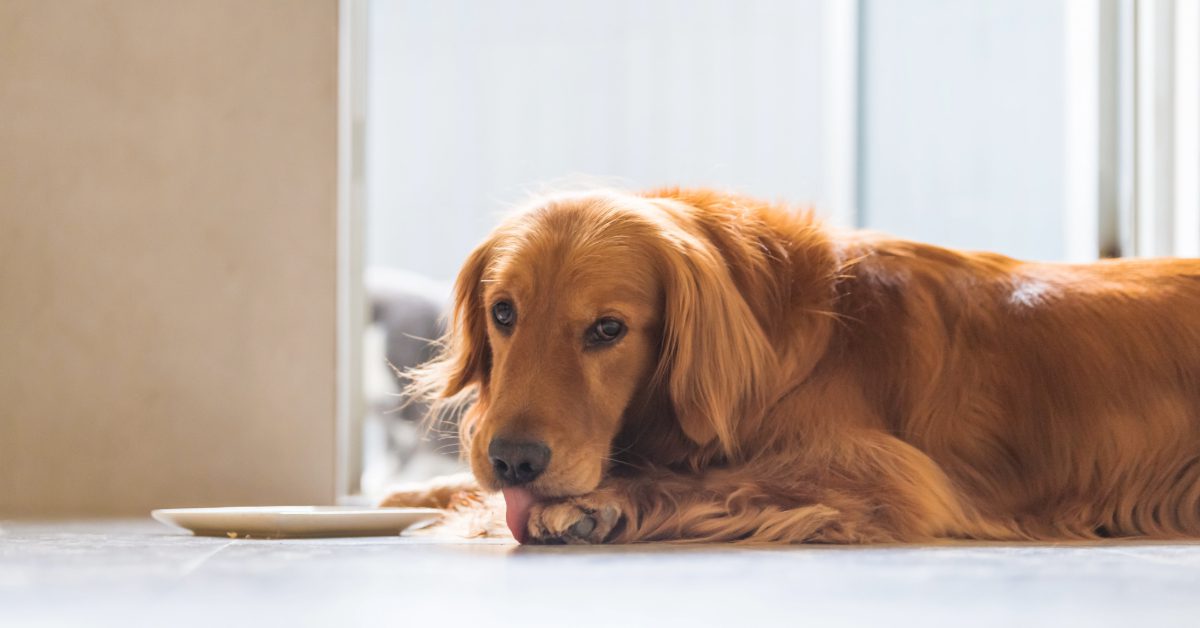
What Are the Most Common Reasons Dogs Lick Their Paws?
Paw licking is one of those behaviors that can mean a dozen different things, which is exactly why so many pet owners search for answers before assuming the worst. Dogs use their paws constantly, walking on grass, pavement, dirt, and household surfaces, so it makes sense that this part of their body picks up irritants, allergens, and minor injuries throughout the day.
Allergies
Environmental allergies, often called atopic dermatitis, are one of the most frequent reasons dogs lick their paws excessively. Dogs can be allergic to pollen, grass, dust mites, mold, and even certain ingredients in their food, and unlike humans, dogs often show allergic reactions through their skin rather than sneezing or watery eyes. The paws are especially vulnerable because they make direct contact with allergens outdoors, and licking becomes a dog’s way of trying to soothe the itching and inflammation that follows.
Dry Skin or Seasonal Irritation
Just like people, dogs can develop dry, cracked, or irritated skin, especially during temperature extremes. Cold winter air and hot summer pavement can both take a toll on paw pads, leading dogs to lick more frequently in an attempt to relieve discomfort.
Minor Injuries, Splinters, or Foreign Objects
Sometimes the explanation is simple: your dog stepped on something. A small thorn, splinter, piece of glass, or even a foxtail can lodge between the toes or in the pad, and dogs will often lick at the area repeatedly while trying to dislodge whatever is bothering them. This type of licking tends to be focused on one specific paw rather than alternating between feet.
Yeast or Bacterial Infections
When paw licking becomes a long-term habit, it can actually create a new problem: bacterial or yeast infections. Constant moisture from saliva creates the perfect environment for yeast to grow between the toes, which often produces a distinct musty smell along with redness and swelling.
Boredom, Stress, or Anxiety
Not all paw licking has a physical cause. Dogs who are bored, stressed, or anxious sometimes develop repetitive licking behaviors as a coping mechanism, similar to how some people bite their nails. This is more common in dogs who spend long hours alone or who have recently experienced a change in routine, environment, or household dynamics.
How Can You Tell If Paw Licking Is a Medical Concern?
One of the most common questions we hear at Schertz Animal Hospital is, “How do I know if my dog’s paw licking is normal or something I should worry about?” The answer often comes down to frequency, intensity, and accompanying symptoms.
- Occasional, light licking after a walk or before settling down for a nap is usually normal grooming behavior and nothing to worry about.
- Frequent, intense, or prolonged licking that interrupts sleep, play, or daily activities is a stronger sign that something is bothering your dog.
- Licking paired with other symptoms like limping, swelling, redness, a strong odor, or hair loss around the paw suggests a medical issue that warrants a veterinary evaluation.
Signs That Point to Allergies
If your dog tends to lick more during certain seasons, after time outdoors, or after eating specific foods, allergies are a likely culprit. Allergic paw licking is often paired with itching in other areas, like the face, ears, or belly.
Signs That Point to Infection
A strong odor, brownish discoloration on the fur between the toes, or visibly red and inflamed skin are all signs that an infection may have developed. Infections tend to worsen over time without treatment, so catching them early matters.
Signs That Point to Injury
If your dog suddenly starts limping or favoring one paw while licking it intensely, there’s a good chance something physical is going on, whether that’s a splinter, a small cut, or irritation from walking on hot pavement or rock salt.
When Should You Bring Your Dog to the Vet for Paw Licking?
Many pet owners wonder exactly when paw licking crosses the line from normal behavior into something that needs professional attention. As a general rule, it’s time to schedule an appointment with our veterinarians at Schertz Animal Hospital if you notice any of the following.
- Licking that has continued for more than a few days without improvement
- Visible redness, swelling, discharge, or an unpleasant odor coming from the paw
- Limping, reluctance to walk, or signs that your dog is in pain
- Hair loss, scabbing, or skin that looks raw between the toes
What Happens During a Veterinary Visit for Paw Licking
During an exam, our veterinary team will closely inspect your dog’s paws, looking between each toe and checking the pads for cuts, foreign objects, swelling, or signs of infection. We may also ask about your dog’s diet, recent activities, and whether the licking follows any pattern, since this history helps narrow down the underlying cause. In some cases, additional diagnostics like skin tests or cultures may be recommended to identify allergies or infections more precisely.
Why a Professional Diagnosis Matters
Because paw licking can stem from so many different causes, from allergies to anxiety to infection, an accurate diagnosis from a licensed veterinarian is the most reliable way to address the root issue rather than just the symptom. Self-diagnosing or guessing at the cause can sometimes delay proper care, especially if an infection is involved.
What This Means for Your Dog’s Long-Term Comfort
Understanding why your dog licks his paws is the first step toward helping him feel more comfortable day to day. Whether the cause turns out to be seasonal allergies, dry skin, a minor injury, or stress, most cases respond well once the underlying issue is identified and properly managed by a veterinary professional. Paw licking that seems minor today can sometimes point to a larger pattern, which is exactly why our team encourages pet owners to bring it up rather than wait it out.
If your dog has been licking his paws more than usual, our team at Schertz Animal Hospital is here to help you figure out what’s going on and get him back to feeling like himself. Call us at (210) 659-0345 or book an appointment online. A simple checkup can offer clarity, peace of mind, and a clear path forward for your dog’s comfort and health.
Recent Posts
About Us
We know that choosing the right veterinarian for your pet (and you) can be a challenge. Yet, with our stress-free handling, our long-term, experienced staff, and a state-of-the-art facility, we make the decision an easy one!