
Uncategorized
How Long Should A Dog Go Between Potty Breaks?
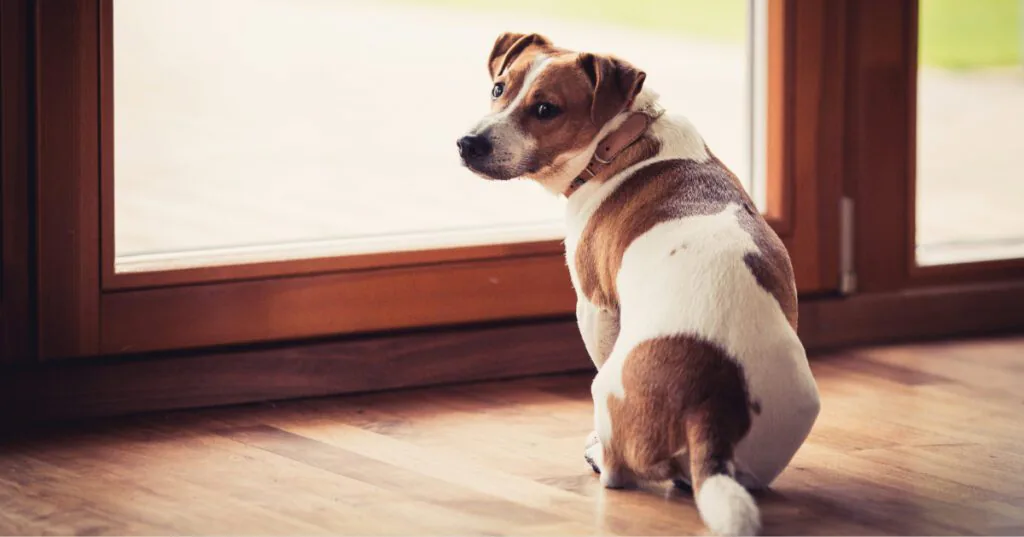
How Long Should A Dog Go Between Potty Breaks? Most adult dogs should go between potty breaks no longer than 6 to 8 hours, though the right interval depends heavily on your dog’s age, size, health, and individual bladder habits. Puppies, senior dogs, and dogs with certain medical conditions often need to go out far…
Read MoreCan Dogs Have Watermelon?
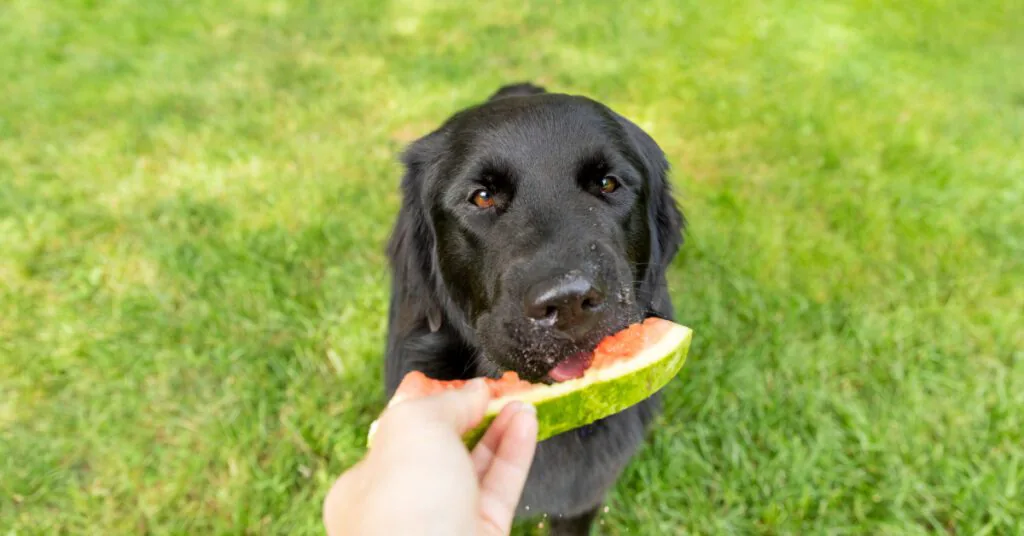
Can Dogs Have Watermelon? Yes, dogs can have watermelon, and in moderation, it’s actually one of the safer fruits to share with your pup on a hot day. Watermelon is made up of about 92% water, making it a hydrating, low-calorie treat that many dogs enjoy, but there are a few important details pet owners…
Read MoreWhy Does My Dog Lick His Paws?

Why Does My Dog Lick His Paws? If you’ve caught your dog licking his paws more than usual, you’re probably wondering whether it’s a harmless habit or a sign that something’s wrong. Most of the time, dogs lick their paws because of allergies, dry or irritated skin, a minor injury, boredom, or anxiety, but when…
Read MoreDog Ate Fertilizer — What Now?
Dog Ate Fertilizer — What Now? If your dog ate fertilizer, you may feel worried and uncertain about what to do next. Fertilizer products can be tempting for dogs because of their smell, but they are not meant to be ingested and can pose risks. The seriousness depends on the type of fertilizer, the amount…
Read MoreWhat Does a Tick Look Like on a Dog?
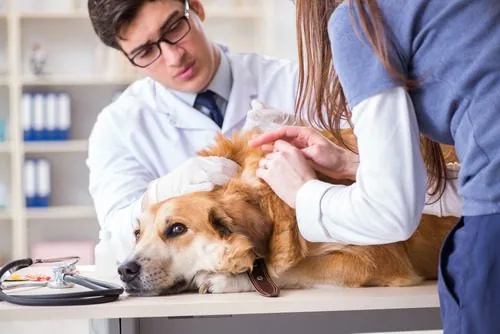
What Does a Tick Look Like on a Dog? If you’re asking “What does a tick look like on a dog?” the answer is that ticks are small, external parasites that attach to your dog’s skin and feed on their blood. They can appear flat and tiny before feeding, about the size of a sesame…
Read MoreDog Diarrhea: Common Causes
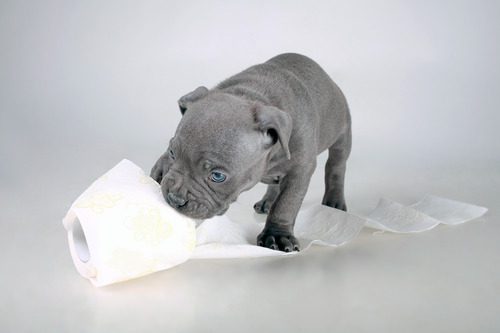
Dog Diarrhea: Common Causes Dog diarrhea is one of the most frequent reasons pet owners bring their pets to the veterinarian. While occasional digestive upset can happen, ongoing or severe diarrhea is often a sign of an underlying issue that needs attention. Dog diarrhea can result from simple dietary changes, food intolerance, or exposure to…
Read MoreCan Dogs Eat Peanut Butter? Safety Tips for Pets
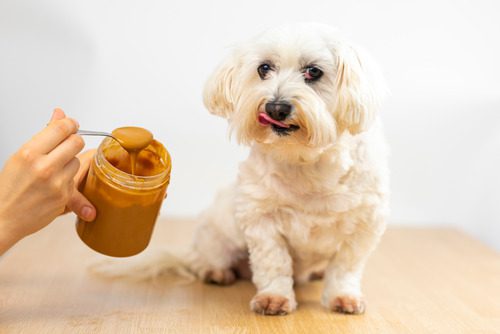
Can Dogs Eat Peanut Butter? Safety Tips for Pets You’re in the middle of a training session, rewarding every sit, stay, and shake, when inspiration strikes during lunch prep. As you spread peanut butter on your sandwich, you pause and think, “Can dogs eat peanut butter?” The answer is yes, dogs can eat peanut butter…
Read MoreHow Often Do Dogs Need Vaccines?
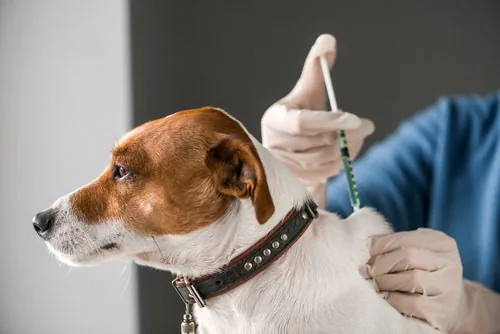
How Often Do Dogs Need Vaccines? When pet owners ask, “How often do dogs need shots?”, the answer depends on their age, lifestyle, and health needs. Puppies require a series of vaccines in their first year of life to build immunity, while adult dogs typically need booster shots either annually or every three years depending…
Read MoreCancer in Cats: What Pet Owners Should Know

Cancer in Cats: What Pet Owners Should Know Cancer in cats is a disease that happens when abnormal cells grow uncontrollably in the body, affecting organs, tissues, or bones. Just like in humans, cancer in cats can vary in type, location, and severity. While the diagnosis can feel overwhelming, understanding how cancer develops, the common…
Read MoreDog Dermatitis: Causes and Treatments
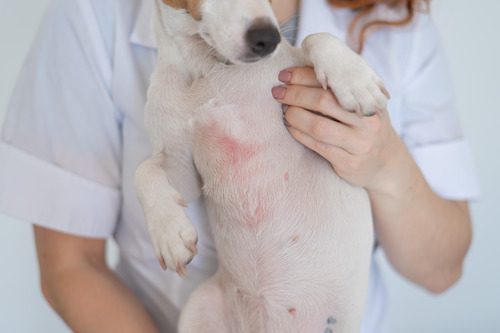
Dog Dermatitis: Causes and Treatments Dog dermatitis is a skin condition in dogs that causes inflammation, itching, redness, and irritation, often leading to scratching, licking, and hair loss. For many pets, this uncomfortable problem can disrupt sleep, affect behavior, and even lead to infections if not addressed. Because dog dermatitis can stem from allergies, parasites,…
Read More