
Dog Ear Infection Signs: When to Call Your Veterinarian
The most common dog ear infection signs include frequent head shaking, scratching at the ears, redness, a foul odor, and dark or yellow discharge. If your dog shows any of these symptoms for more than a day or two, or seems to be in pain, it’s time to call your veterinarian. Ear infections rank among the most frequent reasons dogs visit the vet, and they rarely clear up on their own. Because a dog’s ear canal is shaped like an L, debris and moisture get trapped deep inside where you can’t see them, which means a mild problem can turn painful quickly. At Schertz Animal Hospital, we help pet owners across Schertz, Cibolo, and Universal City spot trouble early and get their dogs comfortable again. Below, we break down the dog ear infection signs to watch for, what causes them, which symptoms need prompt attention, and what happens during a professional ear exam.
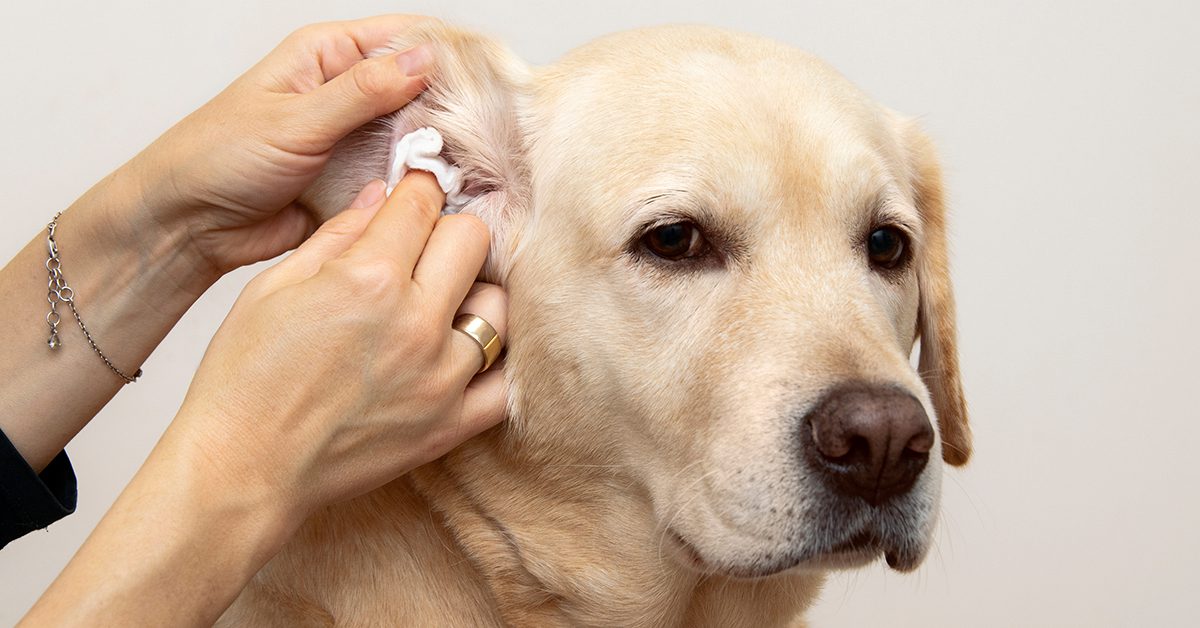
What Are the Signs of an Ear Infection in Dogs?
Dogs can’t tell us when their ears hurt, so their behavior and the appearance of their ears offer the best clues. Learning to recognize dog ear infection signs early helps you get your pet seen before discomfort escalates.
Changes in Behavior
Many owners first notice something is off when their dog starts acting differently. Watch for:
- Shaking the head repeatedly or flapping the ears
- Pawing or scratching at one or both ears
- Rubbing the side of the face on carpet, furniture, or the ground
- Pulling away or yelping when you touch the head
- Tilting the head to one side
- Seeming irritable, restless, or less interested in play
These behavioral dog ear infection signs often appear before any visible changes, so pay attention to new habits even if the ears look normal.
Visible Changes in the Ear
A quick look at the ear flap and canal opening can also reveal problems. Healthy dog ears are light pink with a small amount of pale wax and no strong smell. Common dog ear infection signs you can see or smell include redness, swelling, crusting or scabs, and discharge that ranges from brown and waxy to yellow and pus-like. A sour, yeasty, or rotten odor is another strong indicator. Some dogs also develop thickened skin on the inner ear flap after weeks of ongoing irritation.
One Ear or Both?
Dog ear infection signs can show up in a single ear or in both at once. When both ears are involved, an underlying condition like allergies is often to blame. An infection limited to one ear may point to a foreign object, a growth, or a localized injury. Either way, your veterinarian can determine the cause with a proper exam.
Why Do Dogs Get Ear Infections?
Ear infections in dogs usually develop when something disrupts the ear’s natural balance and allows bacteria or yeast to overgrow. Understanding the root cause matters because it explains why some dogs face repeat infections.
Common Underlying Causes
Veterinarians frequently trace ear problems back to one of these triggers:
- Environmental or food allergies, which inflame the skin lining the ear canal
- Trapped moisture after swimming, bathing, or time spent in humid weather
- Ear mites, which are more common in puppies and dogs that live with cats
- Foreign material such as grass awns, seeds, or dirt
- Hormonal conditions like hypothyroidism
- Excess hair or narrow ear canals that limit airflow
Breeds at Higher Risk
Ear shape plays a big role. Dogs with long, floppy ears, such as Cocker Spaniels, Basset Hounds, Labrador Retrievers, and Golden Retrievers, trap warmth and moisture inside the canal. Breeds with hairy ear canals, like Poodles and Schnauzers, and breeds prone to skin allergies, like Bulldogs and Shar-Peis, also tend to show dog ear infection signs more often than others.
The South Texas Factor
Local conditions matter too. The warm, humid climate around Schertz creates an ideal environment for yeast, and long allergy seasons from cedar, ragweed, and grasses keep many dogs itchy for months at a time. As a result, many local pets display dog ear infection signs during spring and fall allergy peaks. Dogs that love splashing in backyard pools or Cibolo Creek may also be more prone to moisture-related flare-ups.
When Should You Call the Vet for Dog Ear Infection Signs?
Any time you notice dog ear infection signs that last longer than a day or two, schedule an appointment with your veterinarian. Some symptoms, however, call for faster attention.
Symptoms That Need Prompt Care
Contact your veterinary team right away if your dog shows:
- Loss of balance, stumbling, or walking in circles
- A persistent head tilt or unusual eye movements
- Severe pain, crying, or refusing to let anyone near the head
- A swollen, puffy ear flap that feels like a fluid-filled balloon
- Bleeding or thick, bloody discharge from the ear
- Sudden changes in hearing or responsiveness
These symptoms may mean the infection has moved into the middle or inner ear, or that a complication such as an aural hematoma has developed. Deeper infections can affect hearing and balance, so early evaluation protects your dog’s long-term health.
Why Waiting or Guessing Can Backfire
It’s tempting to reach for an over-the-counter ear product or a remedy suggested online. The problem is that many conditions share the same dog ear infection signs, and the right approach depends on whether bacteria, yeast, mites, or a foreign object is involved. If the eardrum is damaged, certain products can cause additional harm. Untreated or partially treated infections can also become chronic, leading to thickened, narrowed ear canals that are much harder to manage later. A professional diagnosis is the fastest route to relief.
What Happens During an Ear Exam at Schertz Animal Hospital?
Knowing what to expect can make the visit easier for both you and your dog. When you bring your pet to Schertz Animal Hospital for dog ear infection signs, our team follows a thorough process to pinpoint the cause.
A Close Look Inside the Ear
Your veterinarian begins with a physical exam and uses an otoscope, a lighted instrument that allows a view deep into the ear canal. This step helps check for inflammation, debris, foreign objects, growths, and the condition of the eardrum. Dogs with very painful ears sometimes need sedation for a comfortable, complete exam.
Diagnostic Testing
Most ear evaluations include ear cytology, which involves examining a small sample of ear debris under a microscope. This simple test shows whether bacteria, yeast, mites, or a combination are present. For stubborn or recurring infections, your veterinarian may recommend a culture to identify the exact type of bacteria and the medications most likely to work. Allergy testing or bloodwork may also be suggested if an underlying condition seems likely.
Building a Plan for Your Dog
Once the cause is clear, your veterinarian will explain the findings and create a care plan tailored to your dog. You’ll leave with clear directions and a recheck schedule if needed. For dogs with frequent ear problems, the team can also talk through long-term strategies that address allergies or other root causes and reduce future flare-ups.
Help for Itchy, Uncomfortable Ears in Schertz, TX
Ear infections are common, but your dog doesn’t have to live with the itching, odor, and pain they cause. Staying alert to dog ear infection signs like head shaking, scratching, redness, and unusual discharge allows you to act early, often before the problem becomes serious or chronic. If your dog’s ears seem off, trust your instincts and reach out sooner rather than later. The caring team at Schertz Animal Hospital welcomes dogs from Schertz, Cibolo, Selma, Universal City, and nearby communities for ear exams, diagnostics, and ongoing support for recurring ear issues. Call us at (210) 659-0345 to schedule an appointment, and let’s get your dog back to feeling comfortable and carefree.
Recent Posts
About Us
We know that choosing the right veterinarian for your pet (and you) can be a challenge. Yet, with our stress-free handling, our long-term, experienced staff, and a state-of-the-art facility, we make the decision an easy one!