
TPLO Surgery in Dogs: Timeline, Care, and Tips for Schertz Pet Owners
Most dogs need roughly 12 to 16 weeks to return to normal activity after a TPLO, with the first eight weeks devoted to strict rest and carefully controlled movement. That timeline sits at the heart of TPLO surgery in dogs. The operation is only the first step, and the weeks that follow shape how well your dog’s knee heals.
If your veterinarian has recommended this procedure, you probably have questions about pain, home care, and how a high-energy dog can possibly stay calm for two months. At Schertz Animal Hospital, we hear those worries often, and they are completely understandable. This guide explains what the surgery does, walks through the recovery stages, shows you how to prepare your home, and lists the warning signs worth reporting right away. Whether surgery is days away or still a decision on the table, the details below can help you feel prepared.
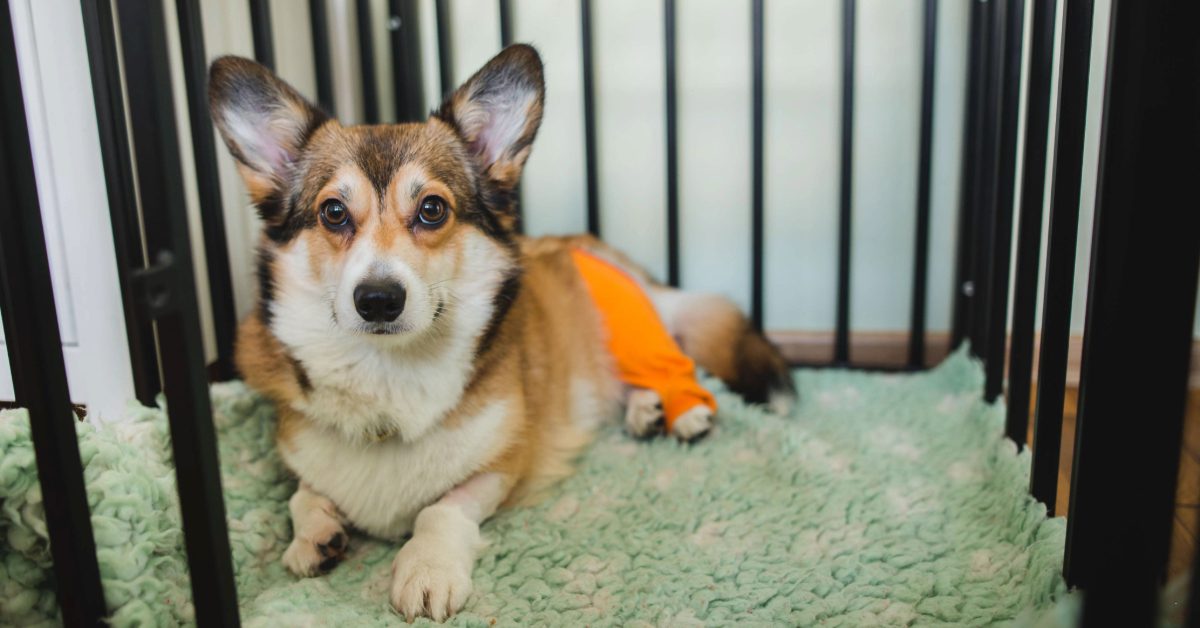
What Is TPLO Surgery in Dogs, and Why Do Dogs Need It?
TPLO stands for tibial plateau leveling osteotomy, a procedure that stabilizes the knee after a cranial cruciate ligament injury.
What Does the Cranial Cruciate Ligament Do?
The cranial cruciate ligament (CCL) works much like the ACL in people. It holds the shin bone steady beneath the thigh bone every time your dog takes a step. In dogs, this ligament often weakens gradually, so a tear can happen during ordinary activity, such as a sudden turn while chasing a ball. Once the ligament tears, the knee becomes unstable, which causes pain, inflammation, and arthritis over time.
How Does a TPLO Work?
Instead of replacing the damaged ligament, the surgeon changes the mechanics of the knee. The surgeon makes a curved cut in the top of the shin bone, rotates that section to level the angle, and secures it with a metal plate and screws. The new angle helps the knee stay stable when your dog bears weight, even without a working ligament. Veterinarians often recommend TPLO surgery in dogs that are medium to large or very active, although the best option depends on your dog’s size, age, and overall health.
What Signs Suggest a Knee Injury?
Cruciate injuries can show up suddenly or build slowly. Watch for these common signs:
- Limping or skipping on a back leg
- Sitting with one leg kicked out to the side
- Stiffness after rest, especially in the morning
- Reluctance to jump into the car or climb stairs
- Swelling around the knee
These signs can also point to other orthopedic problems, so only an exam can confirm the cause. If your dog is limping, the team at Schertz Animal Hospital can examine the leg and talk through your next steps.
TPLO Surgery Recovery: What Does the Timeline Look Like?
Every dog heals at a different pace, and your surgeon’s written plan always comes first, but most TPLO surgery recovery follows a similar arc. Knowing the typical timeline for TPLO surgery in dogs helps you set realistic expectations and plan work schedules, travel, and household help. Think of recovery in three stages, each with its own focus and its own rules.
Weeks 1 to 2: Rest and Protection
Your dog may go home within a day or two of surgery. The leg often looks swollen or bruised at first, and many dogs touch the toes down or carry the leg lightly. These early days focus on rest, protecting the incision, and brief leash trips outside for bathroom breaks. Resist the urge to let your dog explore, even if they seem eager.
Weeks 3 to 8: Healing the Bone
The bone needs about two months to knit around the plate and screws. During this stage, most surgeons allow short, slow leash walks that gradually grow longer. Your dog will likely look more comfortable, which makes this the hardest stretch for owners. Feeling better does not mean the bone has healed. Many surgeons schedule a recheck with X-rays around the eight-week mark to confirm that healing is on track.
Weeks 8 to 16: Rebuilding Strength
If the X-rays look good, your veterinarian will gradually expand your dog’s activity. Many dogs also benefit from a structured rehabilitation program that rebuilds muscle and improves balance. Most dogs return to normal activity somewhere between 12 and 16 weeks, while some, especially seniors or dogs with other joint problems, may need longer. Treat these numbers as a general guide rather than a promise, because your surgeon decides when each new level of activity is safe.
How Do You Care for Your Dog After TPLO Surgery?
Good aftercare comes down to following your surgeon’s discharge instructions closely and setting up your home before surgery day.
How Should You Prepare Your Home?
A little planning prevents slips and temptation. Many owners gather these items ahead of time:
- Non-slip rugs or yoga mats over tile and hardwood floors
- A crate or small pen where your dog can lie down comfortably
- Baby gates to block stairs and off-limits rooms
- A cone or other protective device recommended by your veterinary team
- A sturdy leash and a harness that supports controlled walking
Place the resting area near the family so your dog feels included, with a supportive bed that is easy to step onto. Dogs who feel isolated often whine and try to follow you from room to room, which tempts them to move more than they should. Good aftercare for TPLO surgery starts with a calm space where rest feels natural.
What Does Day-to-Day Care Involve?
Your discharge paperwork will spell out medications, feeding, and activity limits, and following it exactly gives your dog the best chance at a smooth recovery. Keep your dog on a leash for every trip outside, even in a fenced yard. Running, jumping, rough play, and stair climbing can stress the repair, so block those opportunities completely. Check the incision daily by looking only, and do not apply creams, wipes, or remedies unless your veterinarian prescribes them.
Keep every recheck appointment, too. These visits let your surgeon monitor healing, adjust activity limits, and answer questions as they come up. If anything in the instructions seems unclear, call and ask rather than guessing. A quick conversation now is far easier than a setback later.
Tips for a Smoother Recovery and Warning Signs to Report
A few practical habits make the weeks pass more easily, and knowing what to report helps you catch trouble early.
How Can You Keep a High-Energy Dog Calm?
Boredom causes more recovery headaches than pain does. Mental exercise can help tire your dog without taxing the knee. Puzzle feeders, lick mats, sniffing games with treats hidden in a snuffle mat, and short training sessions on basic cues all give your dog something to do. Ask your veterinary team how many extra treats are appropriate, since added weight puts more strain on healing joints. Plan on a quiet household as well, because excited greetings from visitors or other pets often lead to sudden movement. Consistency helps most of all. A predictable schedule of meals, short outings, and rest periods tells your dog what to expect, which reduces restlessness and calms the whole house.
What Warning Signs Should You Report?
Contact your surgeon or veterinarian promptly if you notice any of the following:
- Sudden worsening of the limp or refusal to put weight on the leg
- Swelling, heat, redness, or discharge at the incision
- An incision that opens or looks different from the day before
- Fever, lethargy, or loss of appetite
- Persistent vomiting or diarrhea
- Crying or signs of pain that your veterinarian’s plan does not explain
Also stay alert to the opposite leg. A meaningful number of dogs that undergo TPLO surgery later injure the cruciate ligament in the other knee, so mention any new limping early. Catching a problem sooner gives your veterinarian more options.
Patience Pays Off After TPLO Surgery
Two months of leash walks and closed doors can feel endless on the calendar. Each small milestone matters along the way: the first comfortable weight-bearing steps, the clear X-rays, the first walk that stretches a little longer than the last. Those moments add up to a dog who moves with confidence again. Healing rarely moves in a straight line, either. A calm week can be followed by a restless one, and that pattern is perfectly normal.
Recovery after TPLO surgery in dogs asks a lot of the whole household, and no one expects you to manage it perfectly. When questions come up, our Schertz Animal Hospital team is glad to help you think them through. Call us at (210) 659-0345 to schedule your visit. A dog who tears across the yard next spring will have no memory of the quiet weeks that made it possible, and that is exactly how it should be.
Recent Posts
About Us
We know that choosing the right veterinarian for your pet (and you) can be a challenge. Yet, with our stress-free handling, our long-term, experienced staff, and a state-of-the-art facility, we make the decision an easy one!