
UTI Symptoms in Cats
The most common UTI symptoms in cats include frequent trips to the litter box, straining to urinate, passing only small amounts of urine, blood in the urine, and peeing outside the litter box. A cat showing any of these signs needs a veterinary exam, and a cat that strains without producing urine needs emergency care right away. Urinary tract infections and related bladder problems are among the most frequent health concerns in cats, yet they’re easy to miss because cats tend to hide discomfort. Many owners first notice a puddle on the bath mat or a litter box that suddenly needs scooping far more often. At Schertz Animal Hospital, we help cat owners in Schertz and nearby communities sort out what these changes mean. Below, you’ll learn how to recognize UTI symptoms in cats, what causes urinary trouble, which signs signal an emergency, and how veterinarians reach a diagnosis.
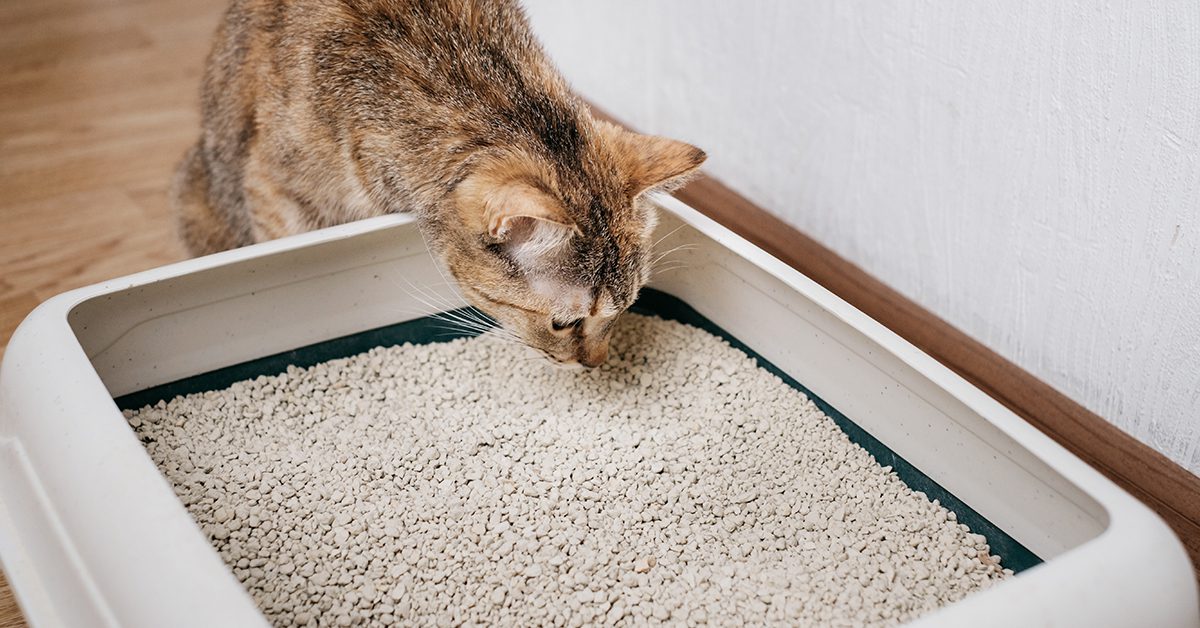
How to Tell If Your Cat Has a UTI
Your cat’s litter box habits and everyday behavior offer the clearest window into urinary health. Watching for subtle shifts helps you catch UTI symptoms in cats before the problem worsens.
Litter Box Changes
Changes in how and where your cat urinates are often the first clues. Scooping daily makes it easier to notice the earliest UTI symptoms in cats, since you’ll quickly see when clump size or number shifts. Common signs include:
- Visiting the litter box many times an hour or day
- Squatting for a long time with little or no urine produced
- Pink, red, or brown-tinged urine
- Small, frequent clumps in the litter instead of a few large ones
- Urinating on cool, smooth surfaces like tile floors, sinks, or bathtubs
- Crying or vocalizing while trying to urinate
- A stronger or unusual odor to the urine
Behavioral and Physical Signs
Beyond the litter box, many cats with urinary discomfort lick their genital area more than usual. Some become irritable, hide under furniture, or avoid being picked up because their abdomen feels sore. You might also notice reduced appetite, less interest in play, or a hunched posture. These quieter UTI symptoms in cats are easy to dismiss as a bad mood, but they often point to real pain.
Why Urinating Outside the Box Matters
Owners sometimes assume a cat peeing on the carpet is acting out. In reality, a cat in pain may start to associate the litter box with discomfort and seek out other spots. Treat any sudden change in bathroom habits as a possible medical issue rather than a behavior problem until your veterinarian rules out illness. Punishing a cat for accidents can add stress, which may make urinary problems worse. Many UTI symptoms in cats look like behavior issues at first glance, so a medical checkup is the right starting point.
What Causes Urinary Problems in Cats?
Several different conditions can produce the same set of signs. Understanding the possibilities explains why UTI symptoms in cats always deserve a professional workup.
Bacterial Infections vs. Other Bladder Conditions
True bacterial urinary tract infections do occur in cats, but they’re less common than many people expect, especially in young, healthy cats. Veterinarians often group urinary signs under the umbrella term feline lower urinary tract disease, or FLUTD. Common contributors include:
- Feline idiopathic cystitis, a stress-related bladder inflammation with no single identifiable cause
- Bladder stones or urinary crystals that irritate the bladder lining
- Bacterial infections, which are more frequent in older cats
- Urethral plugs made of minerals, cells, and mucus
- Less commonly, bladder tumors or anatomical abnormalities
Risk Factors to Know
Certain cats face a higher chance of urinary problems. Senior cats and those with kidney disease, diabetes, or hyperthyroidism are more prone to bacterial infections because their urine tends to be more dilute. Indoor cats that are overweight, get little exercise, or eat a mostly dry diet may also be at greater risk. Stress plays a surprisingly large role, too. Moving to a new home, adding a pet or family member, or even rearranging furniture can trigger a flare-up of cystitis in sensitive cats. Male cats deserve special attention because their narrow urethra can become blocked more easily than a female cat’s. Female cats, however, are not immune, and UTI symptoms in cats of either sex should never be ignored.
When Are Cat Urinary Symptoms an Emergency?
Some UTI symptoms in cats can wait for a regular appointment, while others need same-day or emergency care. Knowing the difference can save your cat’s life.
The Danger of a Urinary Blockage
A urethral obstruction happens when crystals, stones, or a mucus plug block the flow of urine out of the body. This problem occurs most often in male cats and is a true medical emergency. Without urine leaving the body, toxins and potassium build up in the bloodstream within hours, which can affect the heart and lead to death in as little as one to two days. A blocked cat may look like it’s constipated, so owners sometimes mistake the problem for something less serious.
Seek Immediate Care If Your Cat Shows:
- Repeated straining in the litter box with little or no urine
- Crying out in pain or restlessly pacing
- Vomiting or refusing to eat
- Lethargy, weakness, or hiding much more than usual
- A firm, tender belly or flinching when touched near the abdomen
If you see these signs, contact your veterinarian or the nearest emergency animal hospital right away instead of waiting to see if the problem resolves. When UTI symptoms in cats are milder, such as occasional accidents with normal urine flow, schedule an exam within a day or two. Even mild signs can progress, and early evaluation often keeps a manageable problem from turning into a crisis.
How Veterinarians Diagnose a Urinary Tract Infection in Cats
Because so many conditions share the same signs, testing is the only way to know what’s really happening in your cat’s bladder. When you bring your cat to Schertz Animal Hospital, the veterinary team follows a step-by-step approach.
Physical Exam and Urinalysis
Your veterinarian starts by feeling your cat’s abdomen to check the size and firmness of the bladder, which can reveal a blockage. A urinalysis follows, measuring urine concentration, pH, and the presence of blood, protein, glucose, crystals, white blood cells, and bacteria. To get a clean sample, veterinarians often collect urine directly from the bladder with a small needle, a quick procedure called cystocentesis that most cats tolerate well. This method keeps the sample free of contamination, which gives a more accurate picture of what’s really driving UTI symptoms in cats.
Urine Culture and Additional Testing
A urine culture confirms whether bacteria are present and identifies which medications will work against them. This step is especially useful for cats with repeat infections. Depending on the findings, your veterinarian may also recommend X-rays or an ultrasound to look for bladder stones, along with bloodwork to check kidney function and screen for diabetes or thyroid disease.
Moving Forward With a Plan
Once the cause is clear, your veterinarian will walk you through the results and recommend care tailored to your cat. For cats with recurring UTI symptoms, that conversation may include long-term strategies such as diet, hydration, and stress reduction to help prevent future episodes.
Support for Your Cat’s Urinary Health in Schertz, TX
Cats are experts at masking discomfort, which makes your attention to small changes all the more valuable. Spotting UTI symptoms in cats early, such as frequent litter box trips, straining, or blood in the urine, gives your veterinarian the best chance to find the cause and bring relief quickly. Remember that a cat straining without producing urine needs emergency care immediately. For everything else, a prompt exam provides answers and peace of mind. The team at Schertz Animal Hospital offers urinary evaluations, in-house diagnostics, and ongoing support for cats throughout Schertz, Cibolo, Selma, Converse, and surrounding areas. If you’ve noticed UTI symptoms in your cat, call us at (210) 659-0345 to schedule a visit. We’ll help your feline friend feel like themselves again.
Recent Posts
About Us
We know that choosing the right veterinarian for your pet (and you) can be a challenge. Yet, with our stress-free handling, our long-term, experienced staff, and a state-of-the-art facility, we make the decision an easy one!